UNI-1 Image vs Grok Imagine: The 2026 AI Image Showdown – Which Model Actually Wins?
In early 2026, the AI image generation landscape shifted dramatically. Luma AI dropped UNI-1, a groundbreaking “thinking” model that reasons before it renders pixels. At the same time, xAI’s Grok Imagine continues pushing boundaries with bold creativity, lightning-fast output, and a rebellious edge that resonates with creators who value freedom and speed.
This isn’t just another “which looks prettier” comparison. It’s a deeper clash between structured intelligence and unfiltered imagination — between production-ready consistency and viral creative spark. Here’s the no-BS breakdown based on real benchmarks, user feedback, and hands-on testing in April 2026.
The Core Philosophy Difference
UNI-1 Image (try it at UNIIMG.com) is Luma AI’s unified autoregressive model. Instead of the traditional “diffuse noise into image” approach, UNI-1 treats text and visual tokens in a single sequence. It thinks first — breaking down your intent, planning composition, solving spatial logic, and maintaining consistency across elements.
The result? Superior performance on reasoning-heavy tasks like complex scene composition, precise reference control, multi-character consistency, and iterative editing. It tops leaderboards in RISEBench (reasoning-informed visual editing) and scores exceptionally high in human preference tests for style control, editing, and reference-based generation.
Grok Imagine (access via ximagine.app or integrated in Grok) leans into xAI’s signature style: maximum truth-seeking creativity with minimal guardrails. It excels at photorealistic renders, dramatic cinematic looks, trend-aware visuals, and fast ideation. Generation is snappy, outputs often feel energetic and story-driven, and it shines when you want bold, attention-grabbing results without overthinking prompts.
In short:
- UNI-1 = The thoughtful professional — precise, consistent, and reliable for real work.
- Grok Imagine = The inspired rebel — fast, fun, and fearless for creative exploration and social content.
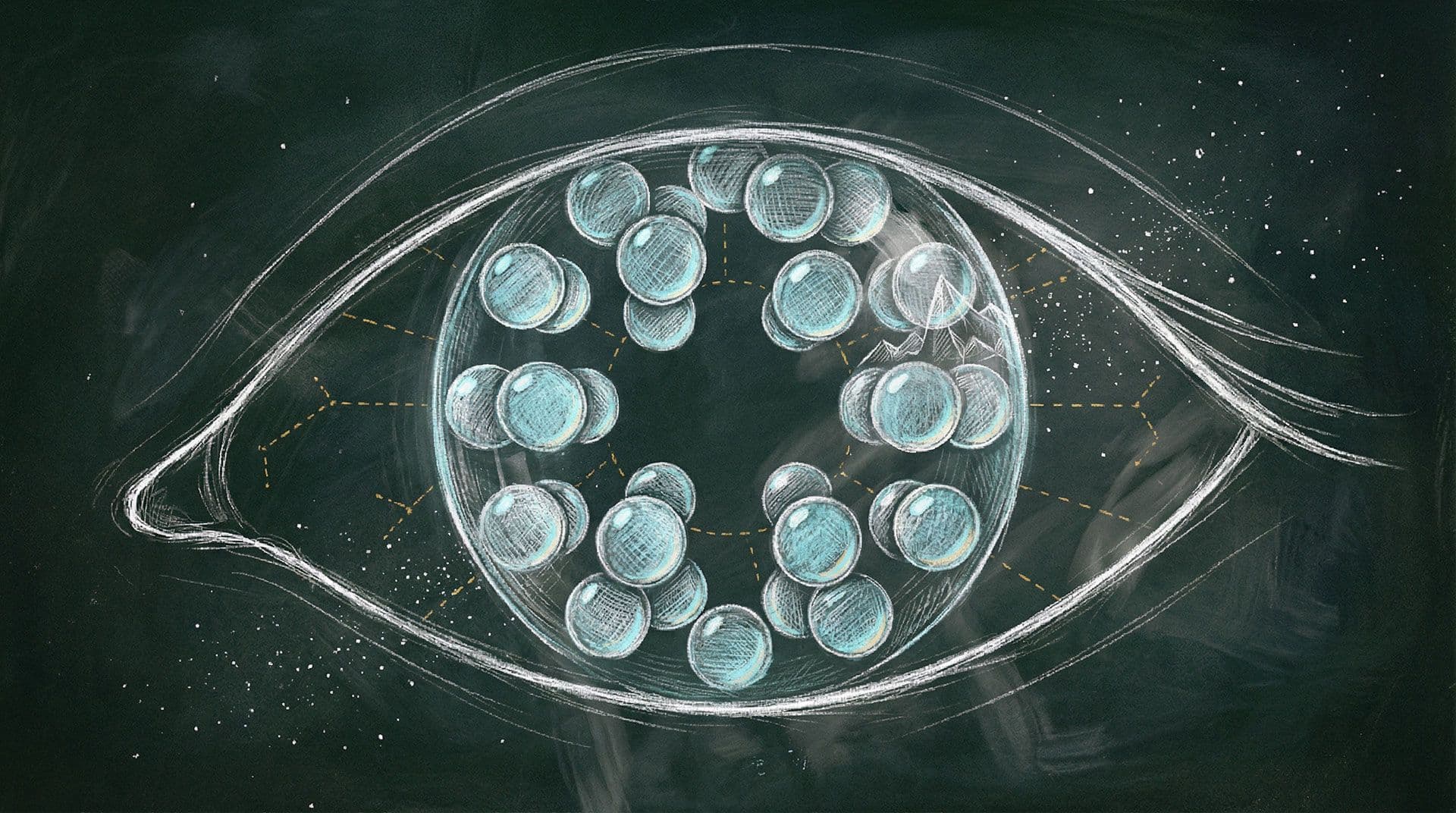
(Above: Typical UNI-1 output — clean, logically coherent concept art with strong structural control)

(Above: Grok Imagine style — vibrant, emotionally charged portrait with cinematic flair and imaginative energy)
Head-to-Head: 5 Key Dimensions
- Prompt Understanding & Reasoning UNI-1 dominates here. It handles nuanced, natural-language instructions better, automatically resolving logical conflicts (e.g., correct lighting, plausible physics, spatial relationships). You spend less time “prompt engineering” and more time creating. Grok Imagine follows prompts well but injects its own creative interpretation — sometimes delivering delightful surprises, other times drifting from exact intent.
- Consistency & Editing UNI-1 is built for production workflows. Character consistency across poses, ages, or iterations is noticeably stronger, and reference image control feels surgical. Perfect for branding, storyboarding, product visualization, or long-form projects. Grok Imagine offers smooth editing and remixing, but long-sequence consistency can vary. It’s better suited for one-off concepts or rapid prototyping.
- Creative Freedom & Style Range Grok Imagine wins on personality. It delivers bold, artistic, or meme-worthy results with strong aesthetic punch. Lower censorship (within limits) makes it popular for expressive or trend-driven content. UNI-1 produces polished, professional-grade outputs with excellent style adherence, but it feels more “controlled” and less chaotic — which is exactly what many teams want.
- Speed, Cost & Accessibility Grok Imagine is often faster for quick iterations and offers competitive pricing (around $0.02 per generation in many reports). UNI-1 provides strong value at higher resolutions (reportedly 10-30% cheaper than some competitors for 2K+ output) and scales better for enterprise or batch work.
- Best Use Cases
- Designers, brands, and agencies: Go with UNI-1 on UNIIMG.com — consistency saves hours in post-production.
- Content creators, social media, and indie artists: Choose Grok Imagine on ximagine.app — speed and flair help ideas go viral.
- Power users: Many now run both — UNI-1 for core assets, Grok Imagine for marketing variations.
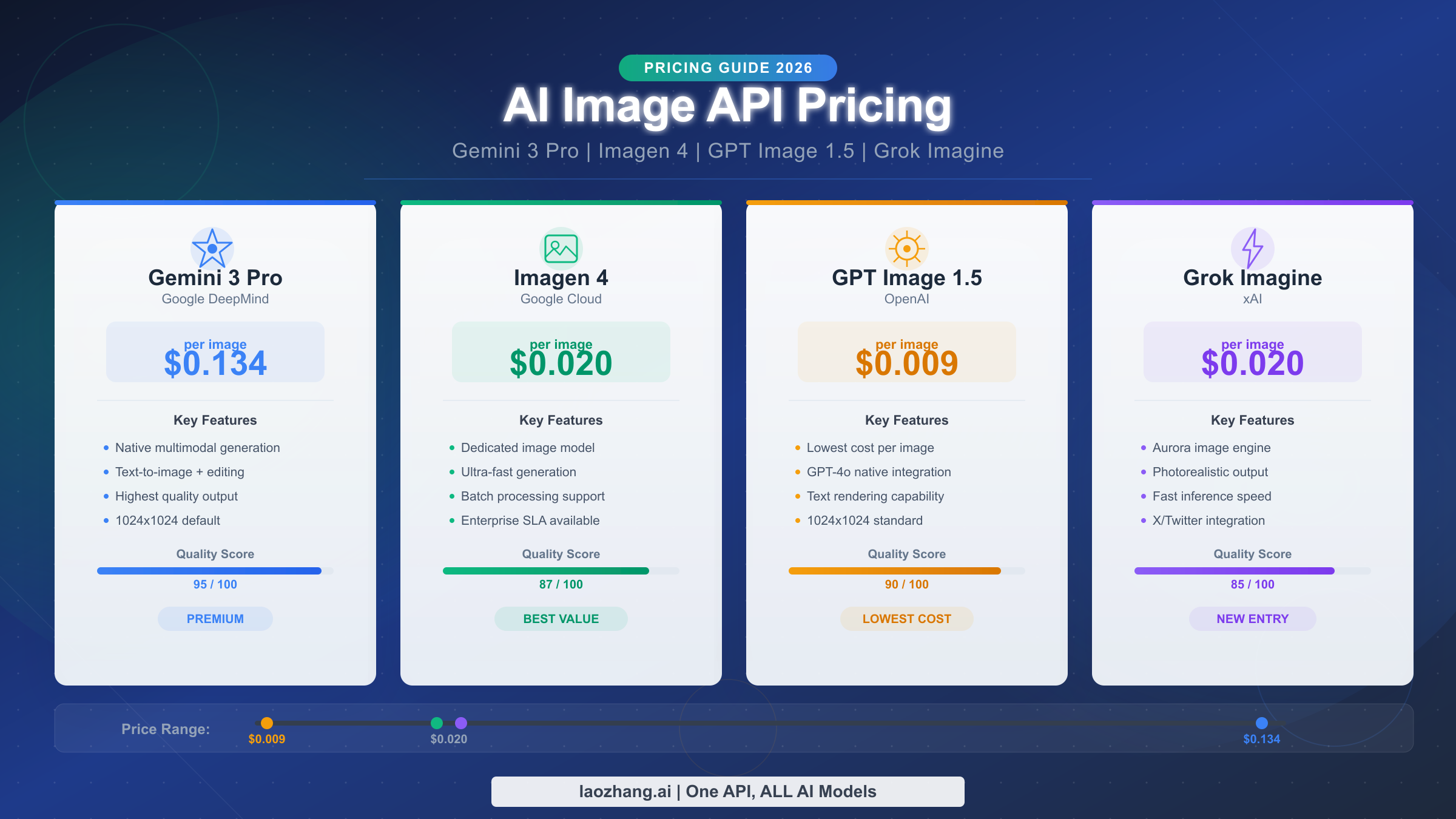
(2026 AI image pricing comparison — Grok Imagine and UNI-1 each carve out strong value propositions depending on your workflow)
Real Talk from the Community (April 2026)
Users praise UNI-1 for finally reducing “prompt drift” and making complex scenes feel intelligent rather than lucky. Grok Imagine fans love the personality, realism in certain styles, and how quickly it turns wild ideas into shareable visuals. Neither is perfect — benchmarks shift monthly, and subjective taste always plays a role — but the gap between “toy” and “tool” has never been narrower.
Final Verdict: No Universal Winner
2026 isn’t about crowning one “best” model. It’s about matching the right intelligence to the job:
- Need reliable, thoughtful, production-quality results? UNI-1 on UNIIMG.com is hard to beat.
- Craving fast, expressive, boundary-pushing creativity? Grok Imagine on ximagine.app delivers the spark.
The smartest creators aren’t picking sides — they’re building hybrid workflows that combine both strengths.
Which one are you leaning toward right now? Drop your favorite recent generation (or prompt battle) in the comments. Let’s see what UNI-1 and Grok Imagine can create together in 2026.
This piece draws from the latest public benchmarks, Luma and xAI announcements, and real user reports as of April 2026. AI moves fast — always test the latest versions yourself.
Now go make something worth sharing.
评论
发表评论